
Best Call Tracking Software in 2026
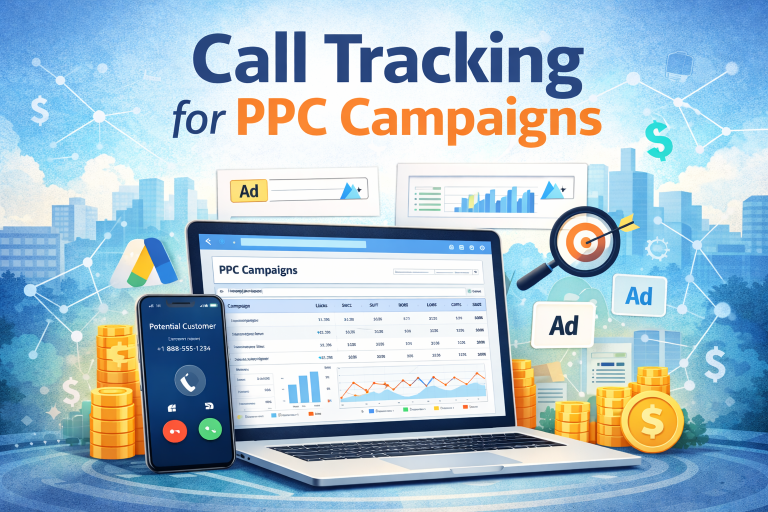
If phone calls are part of your funnel, call tracking software is no longer optional. It is how you connect calls to campaigns, keywords, landing pages, and actual revenue.
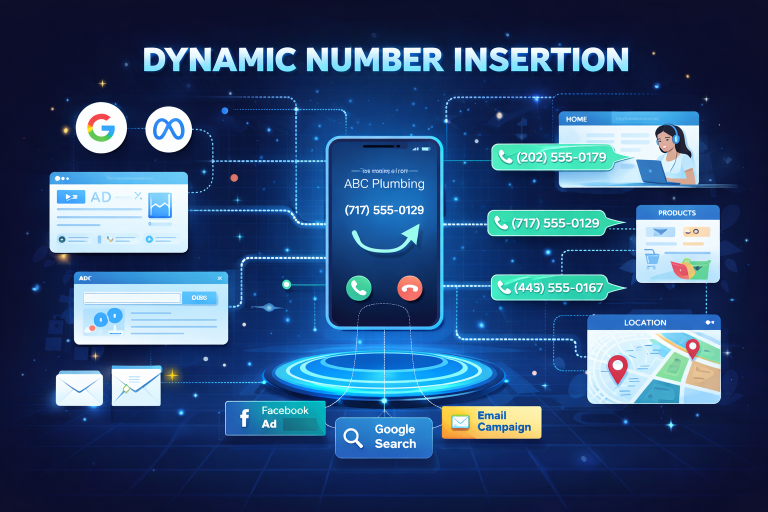
The best platforms do more than assign tracking numbers. They help teams understand which channels drive qualified calls, where leads drop off, how agents perform, and which campaigns deserve more budget. Core capabilities now commonly include dynamic number insertion, call recording, attribution, CRM and ad platform integrations, and, on higher-end platforms, conversation intelligence and AI-driven call analysis. CallRail positions itself around call and form tracking with ROI optimization, Invoca focuses on AI-powered call tracking and conversation analytics, and CallTrackingMetrics combines call tracking with a broader communications platform.
This guide covers the best call tracking software by use case, not by hype.
Quick answer
The best call tracking software for most small and mid-sized marketing teams is CallRail thanks to its relatively approachable setup, core attribution features, and free trial. For teams that need a more customizable platform with stronger communications workflows, CallTrackingMetrics is the stronger fit. For enterprise organizations focused on call analytics and AI-based conversation intelligence, Invoca is the clear standout. For pay-per-call and performance marketing operations, Ringba is one of the strongest options. For businesses that want simpler lead tracking across calls, forms, and chat, WhatConverts is often the easiest place to start.
Best Call Tracking Software Compared
| Software | Best for | Strengths | Main limitation |
|---|---|---|---|
| CallRail | SMBs, agencies, service businesses | Easy setup, strong attribution, call and form tracking, free trial | Can become less cost-efficient as needs grow |
| CallTrackingMetrics | Agencies, multi-location teams, operational workflows | Flexible platform, call/text/chat coverage, broader workflow control | More setup and learning required |
| Invoca | Enterprise teams, contact centers, large brands | AI conversation intelligence, signal detection, deeper call analysis | Usually too heavy for smaller businesses |
| Ringba | Pay-per-call, affiliates, routing-heavy teams | Strong routing, analytics, ring trees, buyer/publisher workflows | More specialized than most SMBs need |
| WhatConverts | Smaller teams focused on lead visibility | Calls, forms, and chat in one lead-tracking view | Less advanced for enterprise analytics |
| Marchex | Multi-location and operations-focused businesses | Conversation insights, funnel visibility, operational intelligence | Less beginner-friendly than simpler tools |
1. CallRail: Best for most SMBs and marketing teams
CallRail is one of the easiest platforms to recommend for businesses that want dependable call tracking without buying into a heavy enterprise stack. The platform centers on call and form tracking, attribution, and marketing ROI, and it offers a free 14-day trial. Its pricing page also makes it easier to understand the starting point than some enterprise vendors: Call Tracking starts as an add-on from $50, while CallRail’s Voice Assist starts from $95 per month.
Best for: small businesses, agencies, home services, legal, healthcare marketing teams
Why it stands out:
CallRail sits in the sweet spot between usability and capability. It covers the features most teams actually need: source attribution, call recording, keyword-level tracking, reporting, and integrations, without immediately feeling overbuilt.
Pros
- Good fit for small and mid-sized teams
- Straightforward positioning and onboarding
- Useful for marketers focused on campaign attribution
- Free trial lowers adoption friction
Cons
- Can get more expensive as usage and add-ons grow
- Less specialized than platforms built for pay-per-call or large-scale enterprise conversation analytics
2. CallTrackingMetrics: Best for agencies and teams that want more flexibility
CallTrackingMetrics is a strong option for businesses that want call tracking plus a broader communications workflow. The company positions the platform around tracking calls, unlocking insights, and driving revenue, with plans starting at $65 per month billed yearly, plus higher tiers and agent bundles. It also supports service availability and pricing in more than 80 countries, which is useful for teams working across regions.
Best for: agencies, multi-client setups, teams that want more than basic attribution
Why it stands out:
CallTrackingMetrics feels more configurable than many entry-level tools. It is often the better fit when a business wants call tracking, texting, routing, softphone workflows, and more operational control in one platform.
Pros
- Flexible platform for more complex workflows
- Stronger fit for agencies and multi-use-case teams
- Broader communications capability than simple call tracking tools
- International support is a plus
Cons
- Steeper learning curve than simpler tools
- Setup can feel heavier for very small teams
3. Invoca: Best for enterprise conversation intelligence
Invoca is built for teams that want advanced call analytics, not just call attribution. The platform emphasizes AI-powered call tracking, conversation analytics, and signal detection that helps teams measure lead quality, uncover coaching opportunities, and connect conversations to revenue outcomes. Invoca specifically positions Signal AI as a way to measure call quality and business impact, and its site highlights enterprise-oriented use cases and outcomes.
Best for: enterprise marketing teams, contact centers, complex sales operations, large brands
Why it stands out:
If your business depends on understanding what happened on the call, not just where the call came from, Invoca is one of the strongest options in the market. It is better thought of as a conversation intelligence platform with call tracking, rather than a basic call tracking product.
Pros
- Strong AI and conversation intelligence positioning
- Better suited to high-volume and enterprise use cases
- Useful for QA, coaching, and lead quality analysis
- Strong fit for call-heavy funnels
Cons
- Overkill for smaller businesses
- Usually not the first-choice budget option for SMBs
4. Ringba: Best for pay-per-call and performance marketing
Ringba is purpose-built for inbound call tracking for marketers, brands, and pay-per-call businesses. The platform emphasizes inbound call tracking, routing, analytics, native caller data, pixels, webhooks, ring trees, predictive routing, and white-label functionality. Pricing is usage-oriented, with published rates for tracking, numbers, recording, and additional services.
Best for: pay-per-call networks, media buyers, affiliates, call marketplaces, advanced routing teams
Why it stands out:
Ringba is not trying to be the most beginner-friendly choice. It is a stronger fit for teams that care about routing logic, buyer flows, partner access, monetization control, and performance marketing depth.
Pros
- Strong fit for pay-per-call
- Advanced routing and marketplace-style workflows
- White-label options
- Useful for buyers, publishers, and network operations
Cons
- Can be too specialized for ordinary SMB use
- Less ideal if all you need is basic attribution for a local business
5. WhatConverts: Best for simple lead tracking across calls, forms, and chat
WhatConverts is a practical option for teams that want to track leads, not just phone calls. Its pricing is also easy to understand: the Call Tracking plan starts at $30 per month, while higher plans add forms, chat, reporting, call flows, and multi-touch journey capabilities. The company positions the product around seeing what marketing converts and capturing calls, forms, and chats with marketing attribution attached.
Best for: small businesses, agencies, lean marketing teams, lead-focused reporting
Why it stands out:
WhatConverts makes sense for businesses that want a simpler reporting layer across different lead types. It may not be the most advanced conversation analytics tool, but it is often easier to justify when attribution and lead visibility matter more than AI-heavy call scoring.
Pros
- Lower entry pricing than many competitors
- Tracks more than calls
- Good fit for lead reporting and simpler attribution
- Easy starting point for smaller teams
Cons
- Less enterprise-grade than Invoca
- Less specialized for pay-per-call than Ringba
- May feel limited for very advanced routing operations
6. Marchex: Best for multi-location and conversation intelligence use cases
Marchex focuses on AI-powered conversation insights and positions its platform around understanding what happens across customer conversations. Its conversation intelligence messaging emphasizes funnel visibility, drop-off analysis, appointment outcomes, and operational insights, and it also offers a “bring your own conversations” approach for businesses that want to enrich existing conversation data without fully switching platforms.
Best for: franchises, automotive, multi-location businesses, operations-heavy teams
Why it stands out:
Marchex becomes more interesting when call tracking is not just a marketing attribution problem, but an operational insight problem across many locations or teams.
Pros
- Strong conversation insight angle
- Good fit for operational and multi-location reporting
- Useful when business wants insight beyond raw call volume
Cons
- Less straightforward for smaller teams
- Not the easiest entry point for basic call tracking
What features matter most
Do not evaluate call tracking software only on price. The right checklist usually includes:
- Dynamic number insertion
- Source and keyword attribution
- Call recording and transcription
- CRM and ad platform integrations
- Routing and call flow logic
- Reporting depth
- Lead qualification features
- Support for forms, chat, and multi-touch journeys
- Conversation intelligence, if calls are a major revenue channel
A smaller business may need only attribution and reporting. A call center or enterprise brand may need AI-based conversation analytics, coaching signals, and routing tied directly to conversion outcomes. Official vendor pages show that this is where platforms have become more differentiated: CallRail emphasizes ROI optimization, Invoca emphasizes AI call analytics and signal detection, Ringba emphasizes routing and performance marketing data, and WhatConverts emphasizes cross-channel lead tracking.
Frequently Asked Questions
What is call tracking software?
Call tracking software helps businesses see which marketing channels, campaigns, keywords, or pages generate inbound phone calls. Most platforms do this by assigning unique phone numbers and tying calls back to traffic sources, then adding reporting, recordings, integrations, and attribution features.
Which call tracking software is best for small businesses?
For many small and midsize teams, CallRail is one of the strongest starting points because it combines core attribution features with a free trial and a more approachable setup than heavier enterprise platforms.
Which call tracking platform is best for pay-per-call?
Ringba is one of the strongest options for pay-per-call because it is built around inbound call tracking, routing, partner users, call flows, and marketplace-style operations.
Which platform is best for enterprise conversation intelligence?
Invoca is the strongest fit here because it is positioned around AI-powered conversation intelligence, signal detection, and large-scale analysis of what happens inside calls, rather than basic call attribution alone.
What features matter most in call tracking software?
The most important features usually include dynamic number insertion, source attribution, call recording, integrations, routing logic, reporting depth, and, for larger teams, conversation intelligence. Vendors in this category clearly differentiate around these areas.
Is there a free trial for call tracking software?
Some platforms offer free trials. CallRail publicly offers a 14-day free trial with no credit card required.